Service access decides whether you own a video wall or a problem.
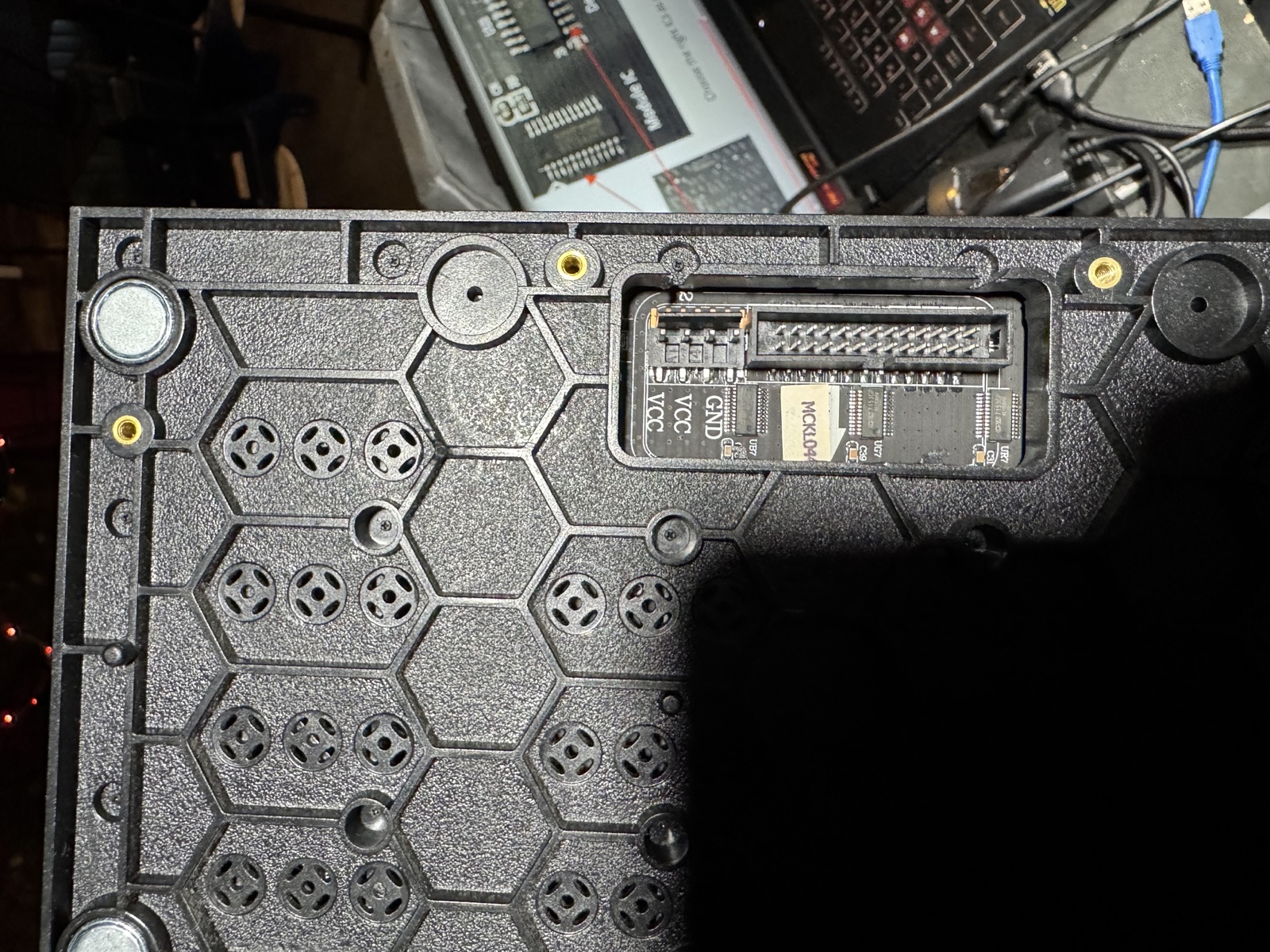
An LED wall is not one screen. It is a grid of cabinets, each full of modules, power supplies and receiving cards, and over a few years some of them will fail. The only question that matters on day one is how a technician reaches the broken one.
Front serviceable cabinets can be opened from the room. Rear serviceable cabinets need space behind the wall for a person to stand. Build a rear service wall flat against a structural wall with no access and the first failed module is permanent, in the middle of your nicest surface, for the life of the installation.
We have never regretted losing a few inches of floor depth to keep a wall serviceable. We have been called in to look at walls where somebody did regret it.
The rest of the design, in the order it matters
- Viewing distance sets the pitch. The tighter the pixel pitch the closer you can stand before the image breaks into dots, and the more it costs. A wall across a dining room and a wall two metres from a sofa are not the same product. We measure the closest seat, not the room.
- Structure and rigging. Panels are heavy and they hang off something. Flown or wall mounted, it needs a frame, it needs the wall or the steel to take the load, and on anything flown it needs sign off. Rigging is its own scope and its own line.
- Power and data. Walls want dedicated circuits and a clean data path from the processor. This is where the electrician comes back into the conversation.
- Processing and mapping. The wall has to be told what shape it is. Mapping and programming is a real task, and remapping is what you pay for later if the wall is ever reconfigured.
- Spares on the shelf. Modules and a power supply, bought with the wall. Matching a panel batch two years later is the hard way to find out why.
- Who owns the content. The most common way a video wall fails is that nobody is responsible for what plays on it, and six months later it is a dark rectangle that cost real money. Decide that before the install, not after.
When a wall of panels is the wrong answer
Plenty of rooms are better served by a large direct view display or a pair of them, and we will say so. A single display is cheaper, simpler, has no seams, and can be swapped by two people in an hour.
LED panels earn their place when
- The surface needs to be bigger or a different shape than a panel display comes in, including curved and wrapped surfaces.
- The room is bright, because LED keeps its brightness where a projector gives up.
- The wall is the room's feature, seen from across a space, and seams matter more than price.
- Content is going to change often and somebody owns it.
A display is the better buy when
- The viewing distance is short and the content is detailed, like a menu board or a meeting room.
- The budget is better spent on the sound system in the same room, which is more often true than vendors admit.
- Nobody has agreed who is making the content.
What the install actually involves
Frame and mounting structure, panel hanging and alignment so the surface is flat and the seams disappear, power and data distribution, processor configuration, mapping, colour and brightness matching across cabinets, then a soak period where the wall runs for hours and we watch for the module that is going to fail early. On flown work, rigging and the access plan come before any of that.
Existing walls are worth assessing before replacing. We have been brought in to reprogram and remap walls that were sound hardware with a bad configuration, and that is a far smaller job than a new wall.
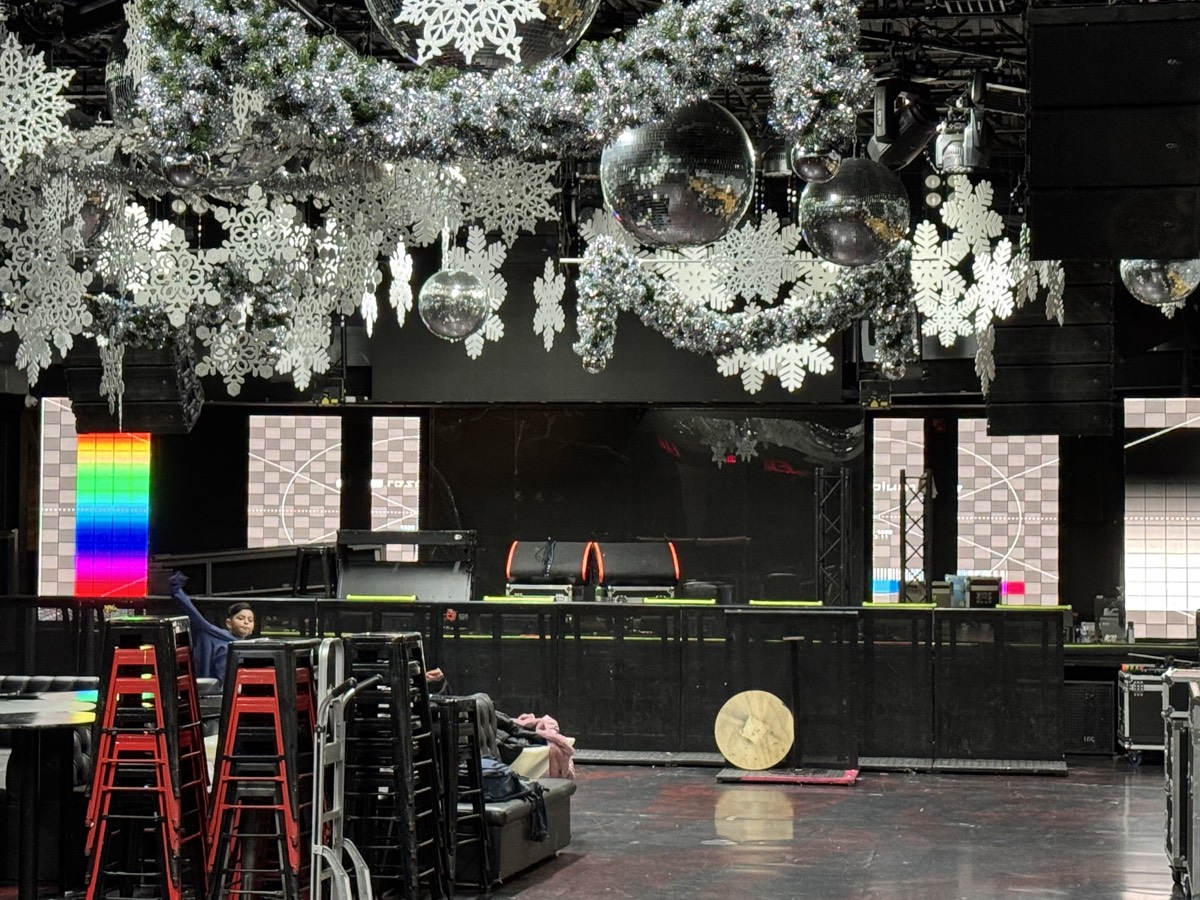
If you want to see what a layout looks like before committing to it, we keep a LED wall visualizer on this site that works out panel counts and physical dimensions from a pitch and a grid.
Thinking about an LED wall?
We will look at the sightlines, the structure and the service access, and tell you honestly whether panels or a display is the better buy for that room.
Request a free site visit Or call or text (646) 280-9522. Ozzy answers his own phone.